

 Top Shelf Flower
  Exotic Smallz
  Vapes
Vapes  Pre-Rolls
  Concentrates
Miami · Late-night delivery
Indica vs. Sativa vs. Hybrid: Which Strain Is Right for You?
A Gramz 305 guide — premium cannabis delivered across Miami, open 10:00 AM – 3:00 AM, 7 days a week.
- 10AM – 3AMOpen every day
- Same dayOrder by cutoff
- Flat feeDelivery
- No card21+ with valid ID
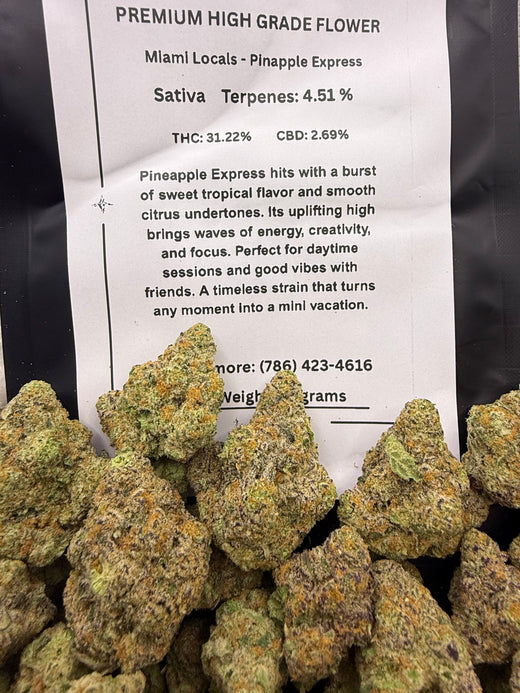
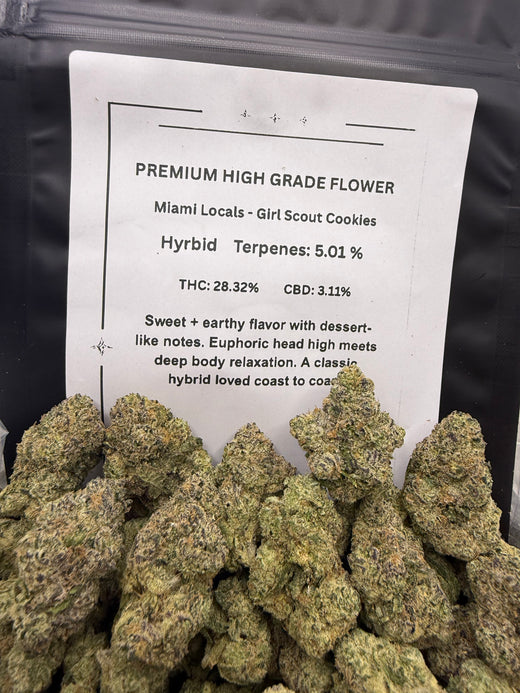
On the menu tonight
Full menu →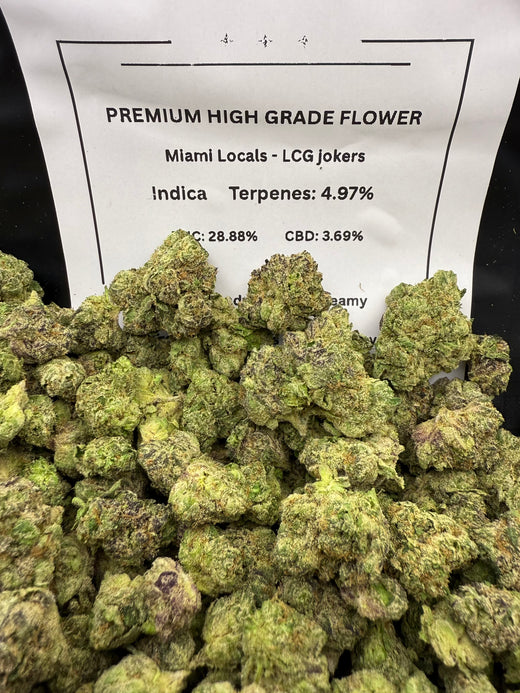
Indica, sativa, and hybrid are three loose categories used to describe cannabis, but they tell you less about how a strain will actually make you feel than most people assume. The common shorthand — indica for a heavy body high and better sleep, sativa for an uplifting head high and daytime energy, hybrid for a blend of both — is a useful starting point, but it's a simplification of the real chemistry. What genuinely shapes your experience is a plant's cannabinoid content (THC, CBD, and minor cannabinoids) and its terpene profile, not whether a label says "indica" or "sativa." This guide breaks down what each category means, when to reach for each, why the binary is oversimplified, and how to actually pick something you'll enjoy.
What Indica, Sativa, and Hybrid Actually Mean
Originally, "indica" and "sativa" were botanical terms describing the plant's physical structure and growing region, not its effects. Cannabis indica plants are typically shorter and bushier with broad leaves, historically from cooler, mountainous regions like the Hindu Kush. Cannabis sativa plants grow tall and lanky with narrow leaves and originated in warmer equatorial climates. That's it — the words described what the plant looked like and where it came from, not what it would do to a consumer.
Over decades, the industry attached effect-based meanings to these terms, and they stuck:
- Indica — associated with relaxing, sedating, "body-heavy" effects. The classic "in-da-couch" mnemonic. Reached for in the evening, for winding down, easing physical tension, or help falling asleep.
- Sativa — associated with energizing, cerebral, uplifting effects. Reached for during the day, for social settings, creativity, focus, or an active mood.
- Hybrid — a cross between the two, which today means essentially every strain on the market. Hybrids are described as indica-dominant, sativa-dominant, or balanced, depending on their lineage and the effects they lean toward.
Here's the honest truth almost no dispensary tells you plainly: after generations of crossbreeding, there is virtually no such thing as a "pure" indica or sativa anymore. Nearly everything is a hybrid. The label on the jar is a rough directional guide — a weather forecast, not a guarantee.
Why the Indica vs. Sativa Binary Is Oversimplified
If you've ever had an "indica" that made you wired, or a "sativa" that put you to sleep, you've experienced the limits of this system firsthand. Researchers and serious growers have largely moved past treating indica/sativa as reliable predictors of effect. Here's why.
The effects you feel come primarily from two things working together: cannabinoids and terpenes. Two strains both labeled "indica" can have completely different terpene profiles and therefore completely different effects. Meanwhile, a sativa and an indica that happen to share a dominant terpene may feel more alike than two indicas do. The label simply doesn't capture the chemistry.
There's also the reality of naming. Strain names and indica/sativa designations aren't regulated or standardized. The same name can refer to genetically different plants from different growers, and a grower can label a strain however they think it'll sell. So while the categories are a convenient shorthand — and we'll keep using them because everyone does — treat them as a loose framework, not a rulebook. What matters more is learning to read the actual components.
Terpenes: The Real Drivers of the Experience
Terpenes are the aromatic compounds that give cannabis (and lavender, citrus, pine, and pepper) its smell and flavor. There are dozens in cannabis, and they're increasingly understood to shape and steer the effects of THC — the reason two strains at the same THC percentage can feel worlds apart. If you want to actually predict how something will hit, learn the major terpenes, not just the indica/sativa label. A few worth knowing:
- Myrcene — earthy, musky, herbal. The most common cannabis terpene, strongly associated with relaxing, sedating "couch-lock" effects. High-myrcene strains are why so many "indicas" feel heavy.
- Limonene — bright citrus. Linked to elevated mood and stress relief. Common in strains that feel upbeat and social.
- Pinene — sharp pine. Associated with alertness and a clearer head; some find it counters the foggy feeling.
- Caryophyllene — peppery, spicy. Unique in that it interacts with the body's cannabinoid receptors directly; often present in strains people reach for to ease physical tension.
- Linalool — floral, lavender. Calming and mellow, frequently found in nighttime strains.
- Terpinolene — fresh, complex, piney-floral. Common in energetic, uplifting "sativa-leaning" strains.
The practical takeaway: if a strain smells sharply of citrus or pine and leans bright, it will probably feel more uplifting regardless of its label. If it's deeply earthy and musky, expect something heavier. Your nose is often a better predictor than the word on the jar. This interplay between cannabinoids and terpenes is sometimes called the "entourage effect" — the idea that the whole plant produces effects the isolated compounds don't.
When to Reach for Each
Using the categories as the loose guides they are, here's how most people put them to work day to day.
Reach for indica-leaning strains when you're done for the day and want to decompress: evening relaxation, easing physical tension after work or a workout, quieting a busy mind, or help settling into sleep. High-myrcene, earthy strains are the classic pick. If you want to be productive afterward, this is not the lane — many people find indica-dominant flower makes focused tasks harder.
Reach for sativa-leaning strains when you want to stay engaged: daytime use, creative work, being social, running errands, or an active mood without heavy sedation. Bright, citrusy, or piney profiles tend to live here. The tradeoff: if you're prone to racing thoughts, a strong sativa-dominant strain — especially at high THC — can tip into feeling anxious or overstimulated. Start low.
Reach for balanced hybrids when you want the middle ground — some mental lift without full-on energy, some body relaxation without being glued to the couch. Balanced hybrids are the most versatile pick and a smart default if you're unsure, which is exactly why they dominate most menus. Indica-dominant hybrids skew toward relaxation; sativa-dominant hybrids skew toward the head.
Common Mistakes and Practical Tips
A few things trip people up more than the indica/sativa question ever does:
- Chasing the highest THC number. A 30% THC strain is not automatically "better" than a 22% one. Beyond a point, higher THC mainly raises the odds of overdoing it. Terpenes and overall balance matter more to whether you actually enjoy the experience.
- Dosing too high, too fast. The single most common mistake. Whether it's flower, a vape, or a pre-roll, take one draw and wait. You can always take more; you can't take less. This matters most if you're newer or coming back after a break.
- Ignoring your own pattern. Your body chemistry is individual. If "indicas" consistently keep you up or "sativas" mellow you out, believe your own experience over the label and track what works — note the strain names and, if available, their dominant terpenes.
- Mixing with alcohol or on an empty stomach. Both intensify effects and make it easier to overshoot. Hydrate, eat something, go slow.
- Forgetting set and setting. The same strain feels different when you're stressed versus relaxed, alone versus with friends. Environment shapes the experience as much as the plant.
Florida Legality: Know What You're Actually Buying
This part matters, and it's frequently muddled, so we'll be precise. In Florida there are two separate legal lanes, and they are not the same thing:
- Hemp-derived products (Farm Bill). Cannabis products derived from hemp are legal to sell to adults 21 and older without a medical card. This is the category Gramz 305 sells — flower, vapes, and pre-rolls that fall under federal hemp guidelines. No card, no doctor's visit, just proof you're 21+.
- Licensed medical marijuana. This is a separate program that requires a Florida state-issued medical marijuana card, obtained through a qualified physician, and is sold only through licensed medical dispensaries.
What is not legal in Florida is recreational marijuana — there is no adult-use recreational marijuana market here. Anyone blurring "hemp," "medical," and "recreational" together is either confused or being careless. When you buy hemp-derived flower or vapes as a 21+ adult, you're operating in the legal hemp lane, full stop.
How to Browse and Order Gramz 305 Strains
Once you know that terpenes and balance matter more than a one-word label, browsing gets easier — you stop hunting for "the best sativa" and start matching a profile to your evening. Gramz 305 is a Miami hemp and THC delivery service based in Coral Gables, and our menu is organized so you can shop by the effect you're after rather than guessing from names alone. If you tell us you want something to wind down with versus something for a daytime social setting, we'll point you toward the right lane — and toward the terpene profiles that back it up.
The practical details: we're open 10:00 AM to 3:00 AM, seven days a week. Deliveries go out at 7:00 PM daily, so order by 7 PM to get it same day. There's a $20 flat delivery fee and a $75 minimum. On pricing, premium eighths start at $30, quarters at $40, half-ounces at $100, and ounces at $160. We carry flower, vapes, and pre-rolls, and you can pay cash, CashApp ($Oskerspaid), or Zelle. We serve Miami-Dade, Broward, and the Upper Keys within a 40-mile radius of Coral Gables.
If you're new, start with a balanced hybrid, take it slow, and pay attention to what the flower smells like — earthy and musky tends to relax, bright and citrusy or piney tends to lift. Note what works for you, and next time you'll skip the guesswork entirely. The label on the jar is a starting point; your own experience is the real guide.
Frequently Asked Questions
What are the differences between indica, sativa, and hybrid strains?
Indica strains are known for relaxing effects, sativas for energizing effects, and hybrids offer a balance of both.
Do I need a medical card to order from Gramz 305?
No medical card is needed; we deliver hemp-derived THC products to anyone 21+.
What are your delivery hours and fees?
We deliver from 10:00 AM to 3:00 AM, 7 days a week, with a $20 flat delivery fee on orders over $75.
What are the prices for your cannabis products?
Premium eighths start at $30, quarters from $40, half-ounce $100, and an ounce $160.
Keep exploring
Delivered tonight. No card needed.
Lab-tested flower, vapes and pre-rolls — open 10AM to 3AM, every day, across Miami-Dade and Broward.